
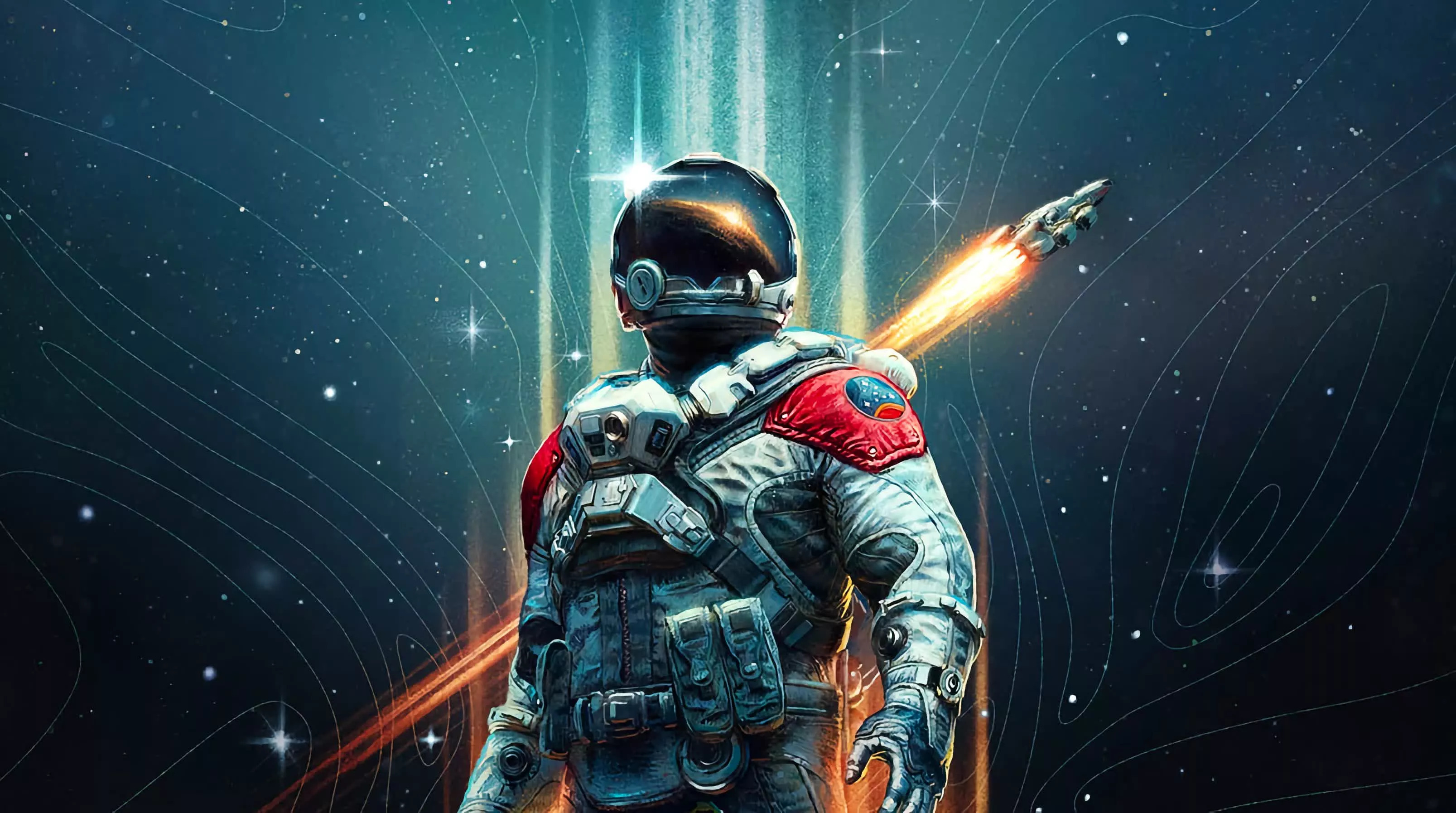
After years of anticipation and multiple delays, Bethesda Game Studios has finally released Starfield, their first new IP in over 25 years. Set in a future where humanity has ventured beyond our solar system, Starfield represents the studio's most ambitious project to date—a sprawling space RPG that aims to capture the wonder of exploration while delivering the deep role-playing experience fans expect from the creators of The Elder Scrolls and Fallout.
The question on everyone's mind: Does Starfield live up to the astronomical expectations? After spending over 100 hours charting my course through its vast universe, I can confidently say that despite some familiar Bethesda quirks, Starfield is a remarkable achievement that will keep players engaged for years to come.

Ship customization offers unprecedented freedom to create your perfect vessel
Starfield takes place in the year 2330, in a region of space called the Settled Systems. Humanity has expanded beyond Earth, colonizing numerous planets and forming various factions with competing interests. You play as a custom character who begins as a simple miner but quickly becomes entangled in a mystery involving strange artifacts and visions that could change humanity's understanding of the universe.
The main storyline is surprisingly compelling, with well-written dialogue and meaningful choices that affect how events unfold. Unlike some of Bethesda's previous titles where the main quest often feels disconnected from the world, Starfield's central narrative is thoughtfully integrated into the game's expansive universe. The story tackles ambitious themes of exploration, humanity's place in the cosmos, and the nature of consciousness in ways that feel both intellectually stimulating and emotionally resonant.
What truly sets Starfield apart, however, is how the setting itself becomes a character. The Settled Systems feel genuinely lived-in, with distinct cultures, political tensions, and histories that you gradually uncover through exploration. Each major location has its own architectural style, social dynamics, and problems to solve. New Atlantis, the capital city of the United Colonies, stands as perhaps Bethesda's most impressive urban environment to date—a sprawling metropolis with distinct districts, bustling markets, and hidden corners to discover.

New Atlantis showcases Bethesda's most impressive urban environment design to date
At its core, Starfield is a Bethesda RPG through and through, but with significant evolutions to their formula. The game retains the studio's signature first-person perspective for exploration and interaction (with an optional third-person view), while combat can seamlessly switch between the two. Character creation is more robust than ever, offering unprecedented customization options and a background system that provides meaningful starting bonuses and unique dialogue options.
The skill system has been completely overhauled, featuring a constellation-like grid of abilities that you unlock with skill points earned through leveling. Each skill has multiple ranks that are improved not just by spending points, but by completing specific challenges related to that skill—encouraging you to actually use the abilities you invest in. This creates a satisfying progression loop where your character genuinely feels more capable as you advance.
Combat has received a significant upgrade from previous Bethesda titles. Gunplay feels responsive and impactful, with a wide variety of weapons that each have distinct handling characteristics. The addition of a cover system and more dynamic enemy AI makes encounters more tactical than the studio's previous efforts. Zero-gravity combat, both on foot and in your ship, adds another layer of strategy as you navigate three-dimensional space while managing your limited oxygen supply.
Perhaps the most revolutionary addition is the ship system. You can purchase, customize, or even build your own spacecraft from scratch using an intuitive but deep ship-building interface. Every component affects your ship's performance, from engines and weapons to crew quarters and cargo holds. Space flight strikes a good balance between accessibility and depth—easy to learn but with enough nuance to reward skilled pilots, especially during the exhilarating space combat sequences.
Exploration is where Starfield truly shines. The game features over 100 star systems with more than 1,000 planets to discover. While many of these worlds are procedurally generated, they avoid the emptiness that plagued similar systems in other games. Each planet has its own atmosphere, gravity, flora, fauna, and resources that make it feel distinct. The variety is impressive—from lush garden worlds to barren moons, toxic hellscapes to frozen tundras.
What makes exploration compelling is the constant sense of discovery. You might stumble upon an abandoned research facility with a harrowing story told through environmental storytelling, encounter a unique alien creature that's never been documented, or find a rare resource deposit that will fund your next ship upgrade. The game cleverly balances hand-crafted content with procedural generation, ensuring that even the most remote planets have something interesting to find.
The outpost building system adds another layer to exploration. You can establish bases on virtually any planet, mining resources and conducting research. These outposts can be as simple or complex as you want, from basic survival shelters to sprawling colonies with automated production lines. The resources you gather feed into crafting systems for weapons, equipment, ship parts, and more, creating a satisfying gameplay loop that makes exploration feel purposeful.

Each planet offers unique environments, resources, and discoveries
Visually, Starfield represents a significant leap forward for Bethesda. The Creation Engine 2 delivers impressive vistas, from the neon-lit streets of major cities to the awe-inspiring planetary landscapes. Character models and animations have improved dramatically compared to Fallout 4 and Skyrim, though they still occasionally fall into the uncanny valley during close-up conversations.
The art direction deserves special praise for its "NASA-punk" aesthetic that blends realistic space technology with lived-in futurism. Ships, stations, and colonies feel functional rather than fantastical, lending the game a sense of plausibility that grounds its more speculative elements. The attention to detail is remarkable—from the way light filters through a ship's windows to how dust particles swirl in the atmosphere of a barren moon.
Inon Zur's musical score perfectly complements the experience, with sweeping orchestral pieces that evoke the wonder of space exploration and more intimate tracks that underscore emotional story moments. Sound design is equally impressive, from the distinctive hum of different ship engines to the unsettling alien sounds that echo across unexplored worlds. Voice acting is generally excellent, with standout performances from the main cast that bring the diverse characters to life.
It wouldn't be a Bethesda game without some technical issues, and Starfield is no exception. On Xbox Series X and high-end PCs, the game generally maintains a solid framerate and looks stunning, but occasional stutters occur during particularly busy sequences or when transitioning between areas. Load times are impressively short given the scale of the environments, thanks to the optimization for current-gen hardware.
The game is more stable than Bethesda's previous launches, but I still encountered a handful of bugs during my playthrough—floating objects, NPCs getting stuck in animations, and the occasional quest trigger failing to activate. Thankfully, most issues were resolved by reloading a save, and none were game-breaking. The day-one patch addressed many of the problems I encountered in the review build, suggesting Bethesda is committed to polishing the experience.
Starfield is Bethesda Game Studios at their most ambitious, delivering a space epic that successfully captures the wonder of exploration while providing the deep role-playing experience fans expect. The vast universe is filled with meaningful content, the main storyline is compelling, and the various gameplay systems work together to create a cohesive whole that's greater than the sum of its parts.
Yes, there are technical issues and some elements that could be refined, but they're minor blemishes on what is otherwise an extraordinary achievement. Starfield manages to feel both familiar and revolutionary—building on Bethesda's strengths while pushing the boundaries of what an open-world RPG can be.
Whether you're charting unexplored planets, engaging in tense space battles, unraveling the mysteries of ancient artifacts, or simply enjoying the view from your custom-built spacecraft, Starfield offers an experience that's easy to lose yourself in for hundreds of hours. It's not just one of the best games of the year—it's a new benchmark for the genre and a triumphant new direction for one of gaming's most celebrated studios.
 Game
Game
Square Enix delivers a darker, more mature entry in the legendary series with stunning visuals, a compelling narrative, and a refined combat system.
Read Review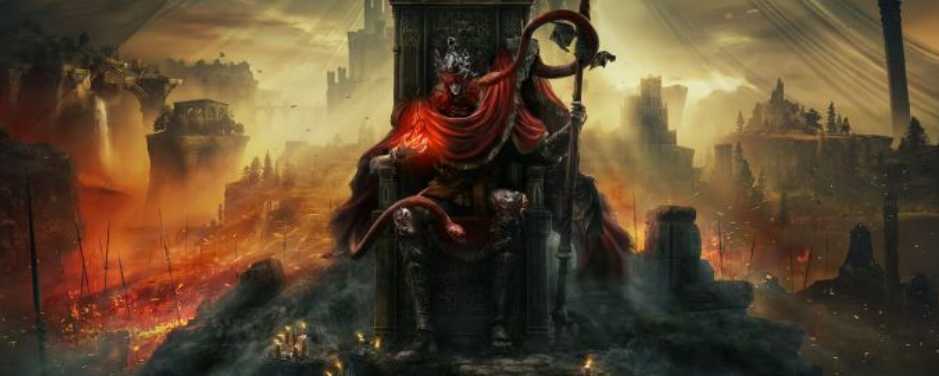 Game
Game
FromSoftware's massive expansion builds upon the foundation of the base game with new challenging areas, terrifying bosses, and expanded lore.
Read Review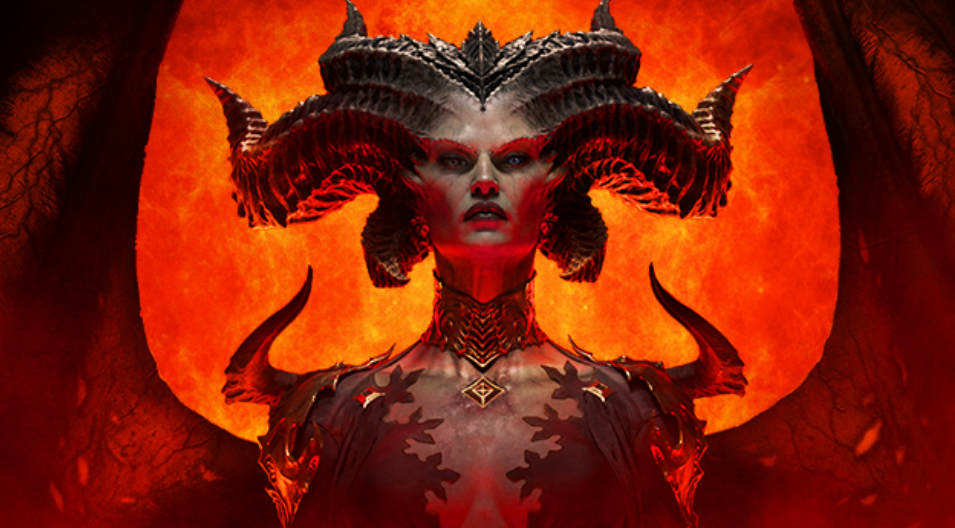 Game
Game
Blizzard returns to the dark fantasy world with a solid entry that captures the essence of the series while introducing new mechanics.
Read Review