Join Discord
Once Human Base Building

Once Human: Ultimate Base Building Guide

Learn how to construct efficient, defensible, and aesthetically pleasing bases with advanced building techniques and optimization tips

Updated: August 19, 2025
25 min read
By Jade Vanity & Morgan Lee

Welcome to our comprehensive guide on base building in Once Human. Your base is more than just a place to store your loot—it's your sanctuary in a hostile world, your crafting hub, and often your first line of defense against both AI threats and other players. This guide will walk you through everything from basic foundations to advanced defensive layouts and aesthetic design principles.

Whether you're a solo player looking to create a hidden refuge or part of a large faction planning a sprawling compound, you'll find valuable insights and practical tips to optimize your base for efficiency, defense, and style. We've tested these techniques extensively across different server types and environments to ensure they work in various scenarios.

Base Building Basics

Before diving into advanced techniques, it's essential to understand the fundamental mechanics of base building in Once Human. The game offers a robust building system with various materials, components, and structural options that form the foundation of your construction projects.

Building Components

Once Human's building system consists of several key components:

  • Foundations - The base of your structure, providing stability and determining build height
  • Walls - Vertical barriers available in full, half, and quarter heights with various material options
  • Floors/Ceilings - Horizontal surfaces for multi-story constructions
  • Doors & Gates - Access points with varying security levels and sizes
  • Windows - Allow light and visibility while maintaining structural integrity
  • Stairs & Ramps - Connect different levels of your base
  • Pillars & Supports - Provide additional stability for larger structures
  • Utilities - Functional items like crafting stations, storage, and power generators
  • Defensive Structures - Turrets, traps, and reinforcements

Building Materials

Your choice of building materials significantly impacts your base's durability, resource cost, and aesthetic appeal:

  • Wood - Easy to obtain but vulnerable to fire and relatively weak
  • Stone - More durable than wood, resistant to fire, but heavier and more resource-intensive
  • Metal - High durability and fire resistance, but expensive and requires advanced crafting
  • Reinforced Concrete - Extremely durable but very resource-intensive and requires specialized crafting stations
  • Glass - Allows visibility while maintaining climate control, but less durable
  • Composite Materials - Advanced materials with special properties, often requiring rare resources

Building Mechanics

Understanding how the building system works mechanically will help you avoid common pitfalls:

  • Stability System - Structures need proper support; overextending without supports will lead to collapse
  • Snapping System - Components automatically align with adjacent pieces for precise placement
  • Building Permissions - Controls who can modify your base (crucial for group bases)
  • Decay System - Structures deteriorate over time if not maintained
  • Building Limits - Server restrictions on base size and component count
  • No-Build Zones - Areas where construction is restricted by the game
Pro Tip

Always start with a simple design and expand gradually. This approach allows you to secure a functional base quickly while planning more elaborate expansions. Use the "Building Planner" tool (press B in-game) to visualize your design before committing resources.

Video by MattyGorm

Location Selection & Planning

Choosing the right location for your base is perhaps the most critical decision you'll make. The perfect spot balances resource accessibility, defensibility, and strategic positioning.

Key Factors to Consider

When scouting for your base location, evaluate these important factors:
  • Proximity to Resources - Being near essential resources reduces gathering time
  • Terrain Advantages - Natural features like cliffs, rivers, or dense forests can provide additional protection
  • Visibility - Consider how visible your base will be to passing players
  • Accessibility - How easily you can enter/exit and how easily others can approach
  • Expansion Potential - Flat, open areas allow for easier expansion
  • Proximity to Points of Interest - Distance from high-traffic areas, monuments, and enemy territories
  • Environmental Hazards - Avoid areas prone to radiation, stardust storms, or frequent enemy spawns
  • Building Restrictions - Some areas have building limitations or are completely restricted

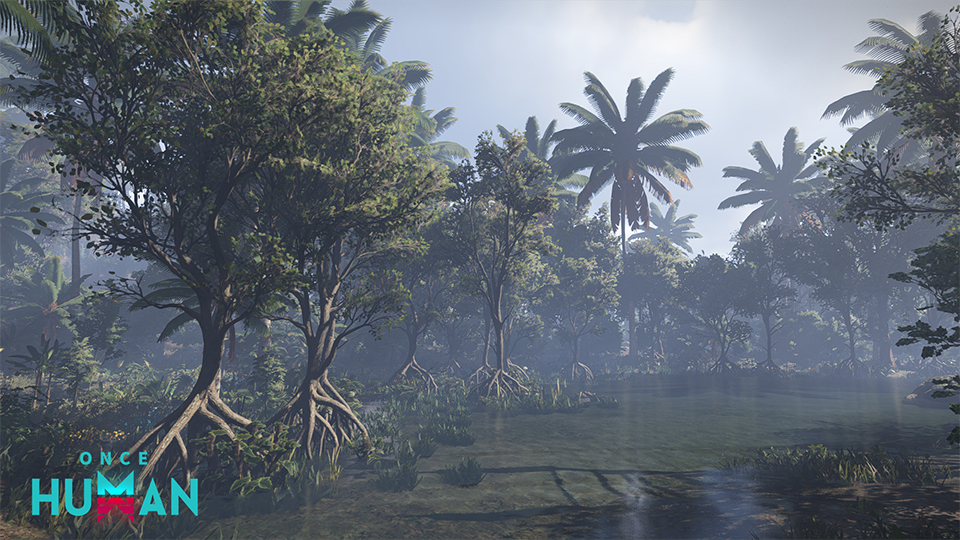
Forest Location

Forest Base Location
Advantages
  • Natural camouflage
  • Abundant wood resources
  • Less player traffic
  • Protection from aerial spotting
Disadvantages
  • Limited building space
  • Difficult terrain for expansion
  • Further from metal resources
  • Vulnerable to forest fires

Mountain Location

Mountain Base Location
Advantages
  • Excellent visibility of surroundings
  • Natural defensive position
  • Rich in stone and metal
  • Limited approach vectors
Disadvantages
  • Difficult resource transport
  • Harsh weather conditions
  • Limited flat building areas
  • More visible from distance

Urban Location

Urban Base Location
Advantages
  • Access to rare urban loot
  • Existing structures to build upon
  • Multiple escape routes
  • Close to technology resources
Disadvantages
  • High player traffic
  • More hostile AI encounters
  • Building restrictions in some areas
  • Limited natural resources

Planning Your Base

Once you've selected a location, proper planning will save you resources and frustration:

  1. Survey the Area - Walk the perimeter and identify natural features to incorporate
  2. Mark Boundaries - Use temporary markers to outline your planned footprint
  3. Consider Expansion - Leave room for future additions and modifications
  4. Plan Access Points - Determine where entrances, exits, and choke points will be
  5. Identify Defensive Positions - Note optimal locations for turrets, watchtowers, and traps
  6. Create Zones - Designate areas for specific functions (crafting, storage, living, etc.)
Important Warning

Always check server rules regarding base building before investing significant resources. Some servers have specific restrictions on base size, location, or proximity to monuments and other player bases. Building in restricted zones may result in your base being removed without warning.

Resource Management

Efficient resource management is crucial for successful base building. Understanding material costs, planning your gathering strategy, and optimizing storage will save you countless hours of farming.

Resource Requirements

Different building components and materials require varying amounts of resources. Planning your resource needs in advance helps prevent wasteful gathering and crafting:

Building Material Costs

Building Component Wood Stone Metal Reinforced Concrete
Foundation 200 Wood, 50 Stone 100 Wood, 300 Stone 50 Wood, 150 Metal Fragments 100 Metal Fragments, 300 Concrete Mix
Wall 100 Wood, 25 Stone 50 Wood, 150 Stone 25 Wood, 75 Metal Fragments 50 Metal Fragments, 150 Concrete Mix
Floor/Ceiling 100 Wood, 25 Stone 50 Wood, 150 Stone 25 Wood, 75 Metal Fragments 50 Metal Fragments, 150 Concrete Mix
Door 150 Wood 50 Wood, 100 Stone 100 Metal Fragments, 5 Gears 200 Metal Fragments, 10 Gears, 50 Concrete Mix
Window 100 Wood, 5 Glass 50 Wood, 75 Stone, 10 Glass 50 Metal Fragments, 20 Glass 100 Metal Fragments, 30 Glass, 50 Concrete Mix

Note: These values are approximate and may vary slightly based on server settings and game updates.

Resource Gathering Strategy

Implement these strategies to optimize your resource gathering:

  • Tool Efficiency - Use the appropriate tools for each resource type
  • Gathering Routes - Establish efficient paths that hit multiple resource nodes
  • Resource Maps - Create or use existing maps that mark rich resource areas
  • Division of Labor - In groups, assign specialized gathering roles
  • Time Management - Gather during off-peak hours to reduce competition
  • Transport Planning - Establish temporary storage or use vehicles for large hauls

Storage Organization

Proper storage organization prevents resource waste and speeds up building:

  • Categorized Storage - Separate containers for different resource types
  • Labeling System - Use signs or a consistent placement system
  • Overflow Management - Plan for excess resources
  • Accessibility - Position storage for quick access during building
  • Security Tiers - Store valuable resources in more secure containers
Pro Tip

Create a "building materials" box near your construction area with exactly what you need for the current project. This prevents constant trips back to your main storage and reduces the risk of losing valuable resources if you're killed while building.

Resource Efficiency Tips

  • Recycling - Break down unwanted items at recyclers to recover materials
  • Upgrading Paths - Plan material upgrades to minimize waste (e.g., wood → stone → metal)
  • Skill Investment - Allocate skill points to resource gathering and crafting efficiency
  • Resource Nodes - Build near respawning resource nodes for sustainable gathering
  • Trading - Establish trade relationships to exchange surplus resources for needed ones
  • Scavenging - Loot abandoned bases and raid debris for free building materials

Layout & Efficiency

An efficient base layout minimizes wasted space, reduces movement time, and enhances productivity. Whether you're building a compact solo base or a sprawling clan compound, these principles will help you optimize your design.

Core Design Principles

Follow these fundamental principles for an efficient base layout:
  • Centralized Core - Place essential facilities (crafting, storage) in a central, easily accessible location
  • Workflow Optimization - Position related stations near each other (e.g., smelter near crafting bench)
  • Vertical Integration - Use multiple floors to save horizontal space
  • Modular Design - Create distinct sections that can be expanded independently
  • Buffer Zones - Include transitional spaces between different functional areas
  • Redundancy - Include backup systems for critical functions

Functional Zones

Organizing your base into distinct functional zones improves efficiency and security:

1. Entry Zone

The first area visitors or returning players encounter:

  • Airlock or security checkpoint
  • Decontamination area (for radiation/stardust)
  • Initial defensive measures
  • Visitor reception (for friendly bases)

2. Production Zone

Where resources are processed and items are crafted:

  • Crafting stations arranged by workflow
  • Smelters and refineries
  • Research facilities
  • Production-related storage

3. Storage Zone

Organized storage for all your resources and items:

  • Main storage area with categorized containers
  • Secure vault for high-value items
  • Bulk resource storage
  • Quick-access containers for frequently used items

4. Living Zone

Personal spaces and quality-of-life facilities:

  • Sleeping areas
  • Food preparation and consumption
  • Medical facilities
  • Recreational spaces

5. Defensive Zone

Areas specifically designed for base defense:

  • Watchtowers and sniper nests
  • Turret placements
  • Trap corridors
  • Defensive equipment storage

6. Utility Zone

Infrastructure and support systems:

  • Power generation
  • Water collection and purification
  • Farming areas
  • Vehicle storage and maintenance

Efficient Solo Base Layout

Solo Base Blueprint

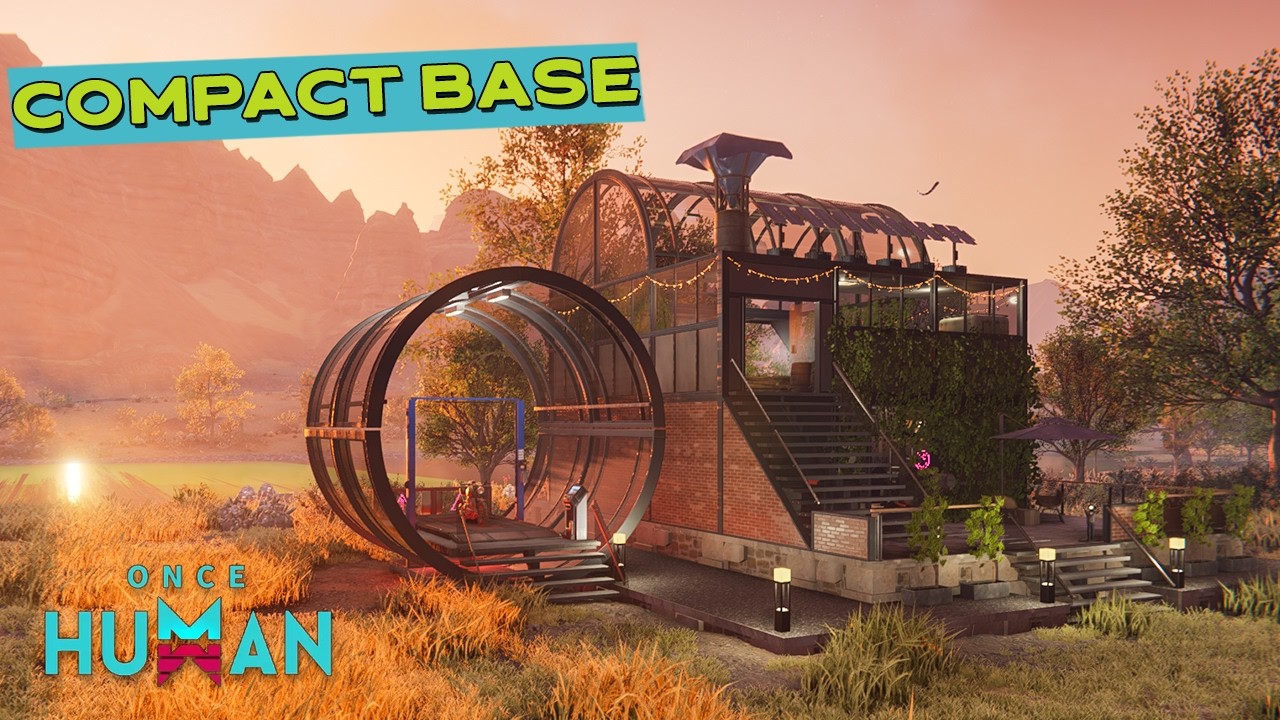
This 2x2 solo base design maximizes efficiency in a compact footprint. The layout features a secure entry system, centralized crafting area, and multi-level storage solution. Perfect for solo players or duos who want a defensible base without excessive resource requirements.

Footprint 2x2 Foundations
Height 3 Stories
Security Rating High
Resource Cost Medium

Materials Required

Wood 5,000
Stone 8,000
Metal Fragments 2,500
Gears 30
Tech Components 15
Glass 50
Download Blueprint
Pro Tip

Use half-walls and floor frames creatively to create mezzanine levels within your base. This technique can significantly increase your usable space without expanding your base footprint or increasing your vulnerability to raids.

Defense Systems

In the hostile world of Once Human, effective base defense is essential for protecting your hard-earned resources and progress. A well-designed defense system deters attackers and significantly increases the cost of raiding your base.

Layered Defense Strategy

The most effective defense employs multiple layers that an attacker must overcome:

  1. Outer Perimeter - First line of defense, typically walls, fences, or natural barriers
  2. Detection Systems - Early warning mechanisms like traps, alarms, or cameras
  3. Active Defenses - Automated systems like turrets that engage threats
  4. Chokepoints - Narrow passages that funnel attackers into disadvantageous positions
  5. Inner Sanctum - Heavily fortified core containing your most valuable assets

Establishing an Outer Perimeter

Your first defensive layer should establish a clear boundary and provide initial resistance:

  • Construct high external walls around your compound
  • Use natural features like cliffs or water bodies to reduce the number of approach vectors
  • Create a buffer zone between your outer wall and main structures
  • Install lighting systems to eliminate hiding spots at night
  • Consider adding barbed wire or spike traps along the perimeter
Outer Perimeter Defense

Designing Effective Chokepoints

Chokepoints force attackers through predictable paths where your defenses can be concentrated:

  • Create narrow corridors with multiple turns
  • Install floor traps in areas that cannot be easily avoided
  • Position shooting ports overlooking chokepoints
  • Use doorways and gates strategically to create bottlenecks
  • Consider adding false paths and dead ends to confuse raiders
Defensive Chokepoint Design

Implementing Active Defense Systems

Active defenses automatically engage threats and can operate even when you're offline:

  • Install automated turrets with overlapping fields of fire
  • Set up trip-wire traps that trigger defensive mechanisms
  • Create electrical trap systems using pressure plates
  • Position flame turrets in narrow passages
  • Ensure all systems have backup power sources
Active Defense Systems

Securing Your Core

The innermost layer should protect your most valuable assets with maximum security:

  • Build a reinforced vault room using the strongest available materials
  • Implement multiple airlocks with different lock codes
  • Create a "honeycomb" design with multiple walls to breach
  • Position loot in unexpected or hard-to-reach locations
  • Consider creating decoy loot rooms to distract raiders
Secure Core Design

Defensive Equipment Guide

Defense Type Effectiveness Resource Cost Power Req. Best Placement
Automated Turret High High 10 power/min Elevated positions with wide view
Flame Turret Medium Medium 8 power/min Narrow corridors, doorways
Shotgun Trap Medium Low None Above doorways, tight spaces
Bear Trap Low Very Low None Hidden in grass, around corners
Electric Fence Medium Medium 5 power/min Perimeter boundaries, windows
CCTV Camera Detection Only Low 2 power/min Entry points, blind spots
Motion Sensor Detection Only Low 1 power/min Buffer zones, approach paths
Important Warning

Always test your defensive systems thoroughly before relying on them. Many players have been killed by their own traps or turrets due to improper configuration. Additionally, remember that excessive defensive structures can impact server performance, and some servers have limits on the number of active traps and turrets per base.

Aesthetic Design

While functionality is paramount in Once Human, aesthetic design shouldn't be overlooked. A well-designed base improves your gaming experience, creates a more immersive environment, and can even serve practical purposes by intimidating potential raiders or attracting allies.

Design Themes

Choosing a cohesive theme for your base creates visual harmony and guides your design decisions:

  • Post-Apocalyptic Scavenger - Mismatched materials, repurposed items, and jury-rigged solutions
  • Military Compound - Uniform design, functional aesthetics, and defensive focus
  • Futuristic Outpost - Clean lines, advanced materials, and technology integration
  • Wasteland Fortress - Imposing structure, visible defenses, and intimidating features
  • Hidden Sanctuary - Natural integration, camouflaged elements, and subtle design
  • Trading Post - Welcoming features, open spaces, and clear navigation

Design Elements

Incorporate these elements to enhance your base's visual appeal:

1. Material Variation

Mix different building materials strategically to create visual interest:

  • Use contrasting materials to highlight important areas
  • Create patterns with different wall types
  • Transition between materials to indicate different zones
  • Consider the color palette created by your material choices

2. Lighting Design

Effective lighting improves both aesthetics and functionality:

  • Use different colored lights to create atmosphere
  • Position lights to highlight architectural features
  • Create contrast between brightly lit and shadowed areas
  • Consider practical lighting for crafting and storage areas
  • Use lighting to guide visitors through your base

3. Architectural Features

Add distinctive elements that break up monotonous designs:

  • Balconies and overhangs
  • Archways and columns
  • Varied ceiling heights
  • Window patterns and placements
  • Decorative buttresses and supports

4. Interior Design

Create comfortable and visually appealing interiors:

  • Arrange furniture to create functional spaces
  • Use rugs and floor coverings to define areas
  • Add decorative items that reflect your character's story
  • Create themed rooms with consistent design elements
  • Consider traffic flow and sightlines

5. Exterior Landscaping

Don't neglect the areas surrounding your base:

  • Create pathways and roads with different materials
  • Add defensive landscaping that looks natural
  • Incorporate gardens or farming areas as visual elements
  • Use terrain features to enhance your design
  • Consider how your base appears when approached from different directions
Pro Tip

Take screenshots of bases you find inspiring, both in Once Human and other games. Create a reference collection that you can draw ideas from when designing your own structures. Many experienced builders keep a "design journal" with sketches and screenshots for future projects.

Balancing Aesthetics and Functionality

The key to successful base design is finding the right balance between visual appeal and practical functionality:

  • Defensive Aesthetics - Make defensive features part of your design language
  • Functional Beauty - Find ways to make necessary elements visually appealing
  • Zoned Design - Apply different aesthetic approaches to different functional zones
  • Progressive Decoration - Focus on functionality first, then add aesthetic elements gradually
  • Resource Efficiency - Prioritize aesthetics in visible areas, functionality in hidden ones

Base Types & Blueprints

Different gameplay styles and group sizes require different base designs. This section covers various base types with proven blueprints that you can adapt to your specific needs.

Starter Base

Quick and Efficient First Home

Complexity
Size 1x2 or 2x2
Build Time 30-60 minutes
Resource Cost Low
Security Level Basic

The Starter Base is designed to get you secure quickly with minimal resources. This compact design includes all essential facilities while maintaining a small footprint. Perfect for your first few days in a new server or as a temporary outpost in hostile territory.

Beginner Friendly Resource Efficient Quick Build Expandable

Bunker Base

Maximum Security Design

Complexity
Size 3x3 or 4x4
Build Time 3-5 hours
Resource Cost High
Security Level Very High

The Bunker Base prioritizes security above all else. With multiple layers of honeycomb walls, airlocks, and a complex internal layout designed to confuse raiders, this base type is extremely raid-resistant. Ideal for high-risk areas or servers with active raiding communities.

Raid Resistant Complex Layout Resource Intensive Secure Storage

Clan Compound

Large Group Headquarters

Complexity
Size 8x8 or larger
Build Time 10+ hours
Resource Cost Very High
Security Level Fortress

The Clan Compound is designed for large groups, featuring multiple connected buildings with specialized functions. This design includes communal crafting areas, individual living quarters, centralized storage, and comprehensive defensive systems. Perfect for established clans looking to dominate their territory.

Group Focused Multi-Building Specialized Zones Territorial Control

Hidden Base

Stealth-Focused Design

Complexity
Size 2x2 or 3x3
Build Time 2-3 hours
Resource Cost Medium
Security Level Medium (Stealth)

The Hidden Base relies on concealment rather than fortification. Built in remote locations and designed to blend into the environment, this base type minimizes visibility while maintaining functionality. Ideal for solo players or small groups who prefer to avoid conflict through stealth.

Camouflaged Remote Location Low Profile Discrete Access

Starter Base Blueprint

Starter Base Blueprint

This 2x1 starter base is designed to get you up and running quickly with minimal resources. Despite its small footprint, it includes all essential facilities and basic security features. The design can be easily expanded as you gather more resources.

Key Features:

  • Airlock entry system for basic security
  • Efficient crafting corner with all essential stations
  • Organized storage system with separate containers for different resources
  • Sleeping area with respawn point
  • Hidden stash compartment for your most valuable items
  • Expandable design that can grow with your needs
Footprint 2x1 Foundations
Height 2 Stories
Security Rating Basic
Resource Cost Low

Materials Required

Wood 2,500
Stone 1,200
Metal Fragments 500
Gears 10
Download Blueprint

Advanced Building Techniques

Once you've mastered the basics, these advanced techniques will take your base building to the next level. These methods require more practice and resources but offer significant advantages in efficiency, security, and design flexibility.

Stability Manipulation

Understanding and manipulating the stability system allows you to create structures that would otherwise be impossible:

  • Use half-blocks and triangular foundations to create more complex shapes
  • Create floating platforms by building outward and then removing supporting structures
  • Use pillars strategically to support extended overhangs
  • Build "stability bunkers" that are extremely difficult to raid
  • Create false floors that collapse when triggered
Stability Manipulation Technique

Multi-TC Design

Using multiple Tool Cupboards (TCs) creates more complex ownership zones that are harder to raid:

  • Create overlapping TC coverage for different sections of your base
  • Hide secondary TCs in hard-to-reach locations
  • Use TC privileges to create "raid trap" sections
  • Implement a TC hierarchy with primary and backup coverage
  • Design your base to compartmentalize TC control zones
Multi-TC Design Technique

Advanced Honeycomb Patterns

Create complex wall patterns that maximize the resources required to raid your base:

  • Implement double-honeycomb designs with offset patterns
  • Create "maze" honeycomb that confuses raiders
  • Use different material types in your honeycomb layers
  • Design honeycomb with integrated traps and false paths
  • Create dynamic honeycomb that can be modified during raids
Advanced Honeycomb Patterns

Pixel-Perfect Building

Master precise placement techniques for maximum building flexibility:

  • Use the building plan tool to preview exact placements
  • Learn how to place objects in half-grid positions
  • Create custom-height structures using foundation stepping
  • Master the "rotate after place" technique for unusual angles
  • Use object clipping to create more complex designs
Pixel-Perfect Building Technique
Pro Tip

Practice advanced building techniques on creative or build servers before implementing them on your main server. These environments allow you to experiment without resource constraints and perfect your techniques before committing valuable resources.

Base Maintenance & Upkeep

In Once Human, bases require regular maintenance to prevent decay and ensure all systems remain operational. Proper upkeep routines will extend the life of your base and keep your defenses functioning when you need them most.

Decay System

Once Human implements a decay system to prevent server clutter from abandoned structures:

  • Structures begin to decay after 24 hours without maintenance
  • Different materials decay at different rates (wood fastest, reinforced concrete slowest)
  • Decay progresses from exterior to interior components
  • Tool Cupboards (TCs) can be stocked with resources to automatically prevent decay
  • Structures not connected to a TC will decay regardless of player activity

Upkeep Requirements

The resources required for upkeep are proportional to your base size and material types:

  • Larger bases require exponentially more resources for upkeep
  • Higher tier materials require more valuable resources for maintenance
  • Complex designs with many components have higher upkeep costs
  • Certain server settings may modify upkeep requirements

Maintenance Checklist

Maintenance Task Frequency Resources Needed Priority
Check TC resource levels Every 24-48 hours Varies by base size Critical
Repair damaged walls/doors After raids or weekly Same as building materials High
Refill turret ammunition Weekly or after use Ammunition types High
Check power systems Every 2-3 days Fuel, batteries, parts High
Reset traps After triggering Trap components Medium
Organize storage As needed None Low
Update access codes Monthly or after member leaves None Medium

Optimization Strategies

Implement these strategies to reduce maintenance burden and optimize upkeep costs:

  • Compartmentalization - Divide your base into separate TC zones to reduce exponential scaling
  • Material Efficiency - Use higher tier materials only where necessary
  • Compact Design - Minimize unnecessary components and decorative elements
  • Automation - Set up automatic sorting systems and resource collection
  • Maintenance Schedule - Establish a routine for regular upkeep tasks
  • Responsibility Assignment - In groups, assign specific maintenance roles

Long-Term Base Management

For extended gameplay, consider these long-term management strategies:

  • Resource Stockpiling - Maintain a buffer of upkeep materials
  • Backup Systems - Create redundant power, defense, and storage systems
  • Seasonal Adjustments - Modify your base for different in-game weather conditions
  • Expansion Planning - Design with future growth in mind
  • Documentation - Keep records of access codes, trap locations, and hidden stashes
  • Security Audits - Regularly test your defenses for weaknesses
Important Warning

Never let your Tool Cupboard run out of resources, even for a short period. Once decay begins, it can quickly compromise structural integrity and security. If you plan to be away from the game for an extended period, ensure your TC has sufficient resources or consider downsizing to a more manageable base design.

Frequently Asked Questions

What's the best location type for a solo player base?

For solo players, remote locations with natural cover are typically best. Look for areas that are:

  • Away from high-traffic monuments and resources
  • Near enough to resources for efficient gathering
  • Naturally concealed by terrain features like dense forests, rock formations, or small valleys
  • Difficult to spot from common travel routes

The Hidden Base design works particularly well for solo players, as it prioritizes concealment over raw defensive strength. Remember that as a solo player, your best defense is often not being found in the first place.

How can I make my base more raid-resistant?

To increase raid resistance, implement these strategies:

  • Multiple Layers - Use honeycomb designs with at least 2-3 layers of walls
  • Material Upgrades - Use the strongest affordable materials for critical walls
  • Distributed Loot - Don't store all valuables in one obvious location
  • Airlocks - Use multiple airlocks to prevent door camping and quick entry
  • Roof Protection - Secure your roof with the same attention as walls
  • Traps & Turrets - Place defensive measures along likely raid paths
  • False Walls - Create decoy walls that waste raider resources
  • Multiple TCs - Use the Multi-TC technique to compartmentalize your base

Remember that no base is completely raid-proof. The goal is to make raiding so expensive and time-consuming that attackers decide it's not worth the effort.

How do I optimize my base for better performance?

Large or complex bases can cause performance issues. To optimize:

  • Reduce Entity Count - Minimize decorative items and unnecessary furniture
  • Consolidate Storage - Use larger containers instead of many small ones
  • Limit Light Sources - Use fewer, strategically placed lights
  • Reduce Transparent Surfaces - Windows and glass cause more rendering overhead
  • Compartmentalize - Divide large bases into separate structures with loading boundaries
  • Limit Automation - Complex electrical systems can cause server lag
  • Regular Cleanup - Remove dropped items and unnecessary deployables

These optimizations not only improve your gameplay experience but also benefit other players on the server by reducing overall server load.

What's the most efficient way to expand my base?

Efficient base expansion requires careful planning:

  • Modular Design - Build your initial base with expansion points already identified
  • Secure While Building - Always maintain a secure perimeter during construction
  • Build in Phases - Complete one section entirely before moving to the next
  • Maintain Functionality - Ensure essential facilities remain accessible during expansion
  • Consider Upkeep - Factor in the increased maintenance cost of a larger base
  • Vertical Expansion - Often more efficient than horizontal expansion
  • Temporary Workstations - Set up building materials and tools near the construction area

The most efficient approach is usually to build your core base with a clear vision of its final form, leaving appropriate connection points for future additions.

How do I protect my base when I'm offline?

Offline protection is crucial in Once Human. Implement these strategies:

  • Automated Defenses - Ensure turrets are loaded and powered
  • Multiple Layers - Make your base time-consuming to raid
  • Hidden Loot - Store valuables in unexpected locations
  • Decay Prevention - Stock your TC with sufficient resources
  • Deception - Make your base appear already raided or not worth raiding
  • Backup Bases - Maintain smaller stash bases elsewhere
  • Log Off Securely - Always log out in a secure room, never in the open
  • Unpredictable Schedule - Vary your online/offline times if possible

Consider joining a clan or making alliances with neighbors who play at different times, creating a more consistent online presence in your area.

Morgan Lee

Morgan "ArchitectX" Lee

Survival game architect and base design specialist with over 3,000 hours in building-focused games. Known for innovative defensive layouts and efficient base designs.

Comments

Loading comments...

Gallery Image